
Care That Sees the Whole Person
In our intimate Rocklin home, we blend Montessori purpose, Somatic Embodiment, and Positive Approach to Care® into daily rhythms that honor who your loved one is and
who they've always been.
Close-knit community with a curriculum designed for dignity.




Our Philosophy
Memory loss changes how someone experiences the world. It doesn't erase their lifetime of skills, preferences, or the deep human need to feel useful, safe, and seen.
We believe:

The environment is the intervention.
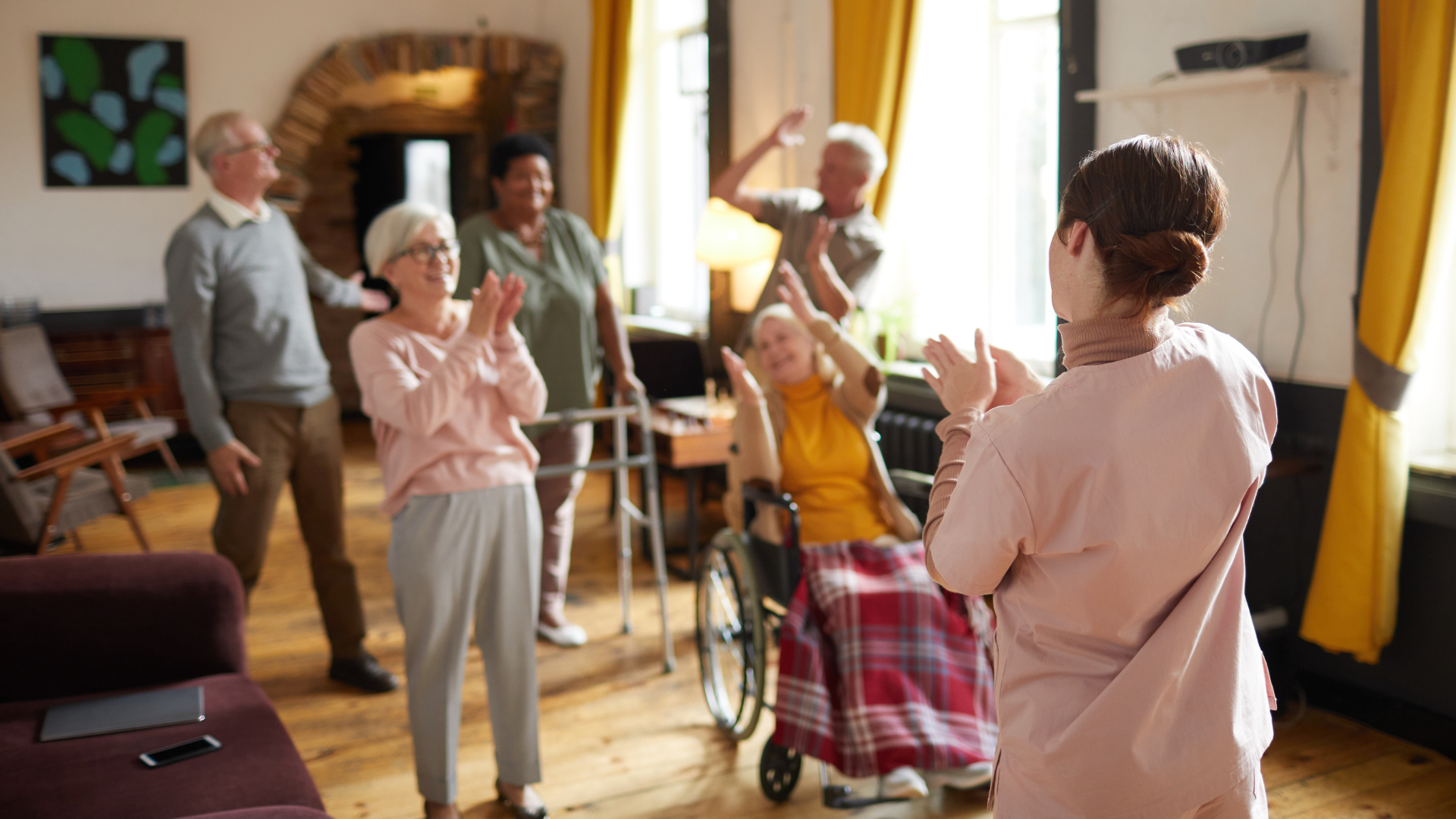
Clean, predictable, sensory-rich spaces reduce confusion and anxiety. When you walk into our Sacramento home, you'll notice immediately: hardwood floors, quality furniture, abundant natural light, a modern kitchen, a garden you'd want to sit in. Beautiful, well-maintained spaces tell residents, "You are valued here."

Purpose heals.
Folding your shirt isn't "busy work"—it's tapping into decades of procedural memory. Setting the table isn't a task—it's a meaningful role that says, "You still matter here." In our spacious kitchen, residents help prep vegetables. In our garden, they water raised beds. These are real contributions in a real home.

The nervous system leads.
Before we can connect, we must co-regulate. With only 6 residents, our caregivers have time to truly attune—using breath, tone, gentle touch, and grounded presence to help residents feel safe in their bodies.

Communication is care.
We speak at eye level. We use hand-under-hand guidance, not hand-over-hand force. We honor sensory sensitivities. We slow down. We listen to what behavior is communicating. Small size makes this possible—every staff member knows every resident deeply.

The Three Pillars of Our Curriculum
Pillar 1: Montessori Dementia Care — Purpose Through Familiar Roles
Dr. Maria Montessori believed all humans thrive when given purposeful work matched to their abilities. Many of our mentors have adapted these principles for dementia care, and the results are profound.
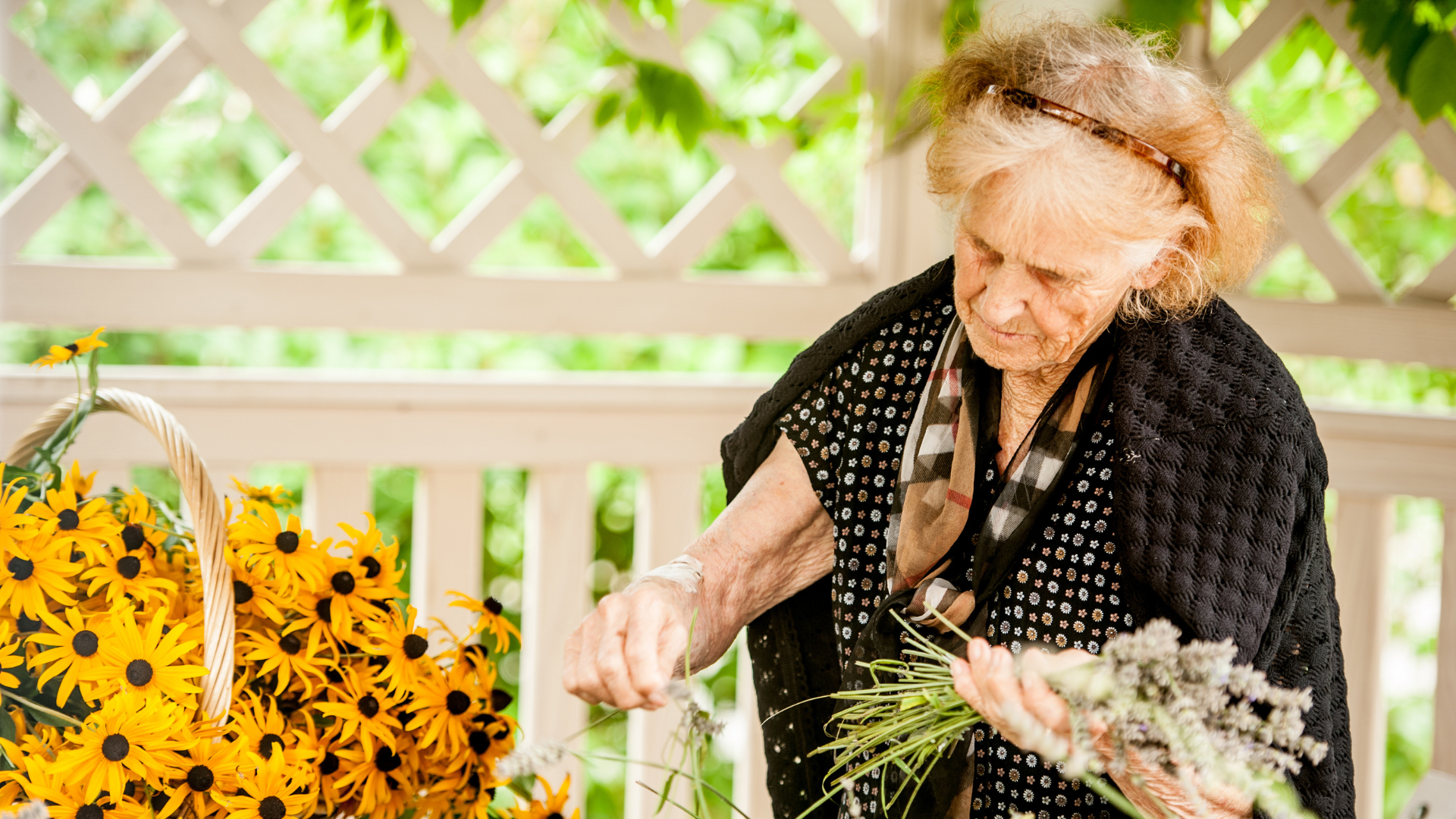
What this looks like in our Rocklin home:
Why it works:
Procedural memory (how to do things) outlasts episodic memory (remembering events). A person who can't recall breakfast can still fold a fitted sheet perfectly. A man who gets lost in his own hallway can still plant seeds in soil. These tasks don't require verbal instruction—they live in the body. And when residents do them, they feel competent. Capable. Needed.
Our commitment:
Every activity is ability-matched. If folding full towels is too complex, we offer washcloths. If watering plants is overwhelming, we invite them to simply touch the leaves. We meet each person where they are—and we never infantilize. Our small size makes true individualization possible.
Pillar 2: Somatic & Embodied Care — Regulation Through Presence
Most memory care facilities focus on managing behaviors. We focus on regulating nervous systems.
When someone with dementia becomes agitated, it's often because their nervous system is dysregulated. No amount of words will fix that. But breath, touch, rhythm, and grounded presence can.

What this looks like at Clover Care:
Pillar 3: Positive Approach to Care® (Teepa Snow) — Communication That Honors
Teepa Snow, MS, OTR/L, has revolutionized dementia care by teaching us to see the world through the resident's altered perception. Her Positive Approach to Care® framework gives us practical, compassionate tools to connect—even when words fail.

What this looks like at Clover Care:

Clover Care Memory Living
Rocklin, California
Tours:
By appointment (Mon–Sat)
Phone: 916-886-0154
Email:
[email protected]
Legal/Attribution:
Clover Care integrates principles from Montessori Dementia Care, Somatic & Embodied practice, and the Positive Approach to Care® developed by Teepa Snow, MS, OTR/L. Positive Approach to Care® and PAC® are registered trademarks of Positive Approach, LLC.